
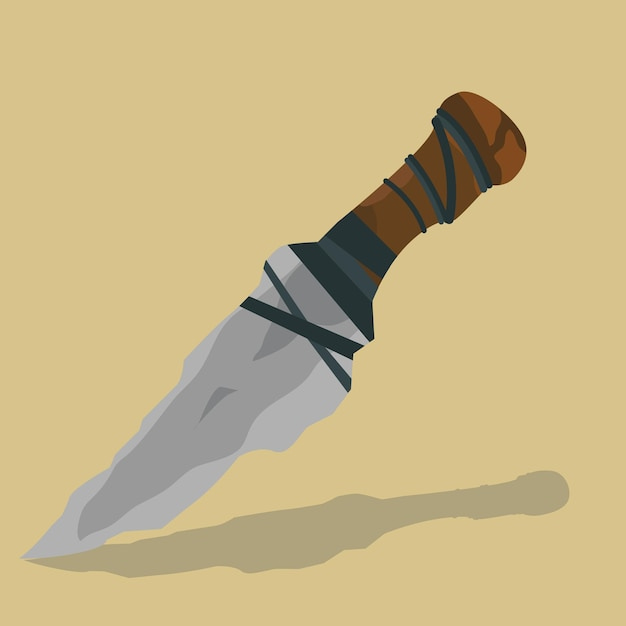
A Stone Knife
by James Schuyler

“Dear Kenward,
What a pearl
of a letter knife. It's just
the thing I needed, something
to rest my eyes on, and always
wanted, which is to say
it's that of which I
felt the lack but
didn't know of, of no
real use and yet
essential as a button
box, or maps, green
morning skies, islands and
canals in oatmeal, the steam
off oyster stew. Brown
agate, veined as a woods
by smoke that has to it
the watery twist of eel grass
in a quick, rust-discolored
cove. Undulating lines of
northern evening—a Munch
without the angst—a
hint of almost amber:
to the nose, a resinous
thought, to the eye, a
lacquered needle green
where no green is, a
present after-image.
Sleek as an ax, bare
and elegant as a tarn,
manly as a lingam,
November weather petrified,
it is just the thing
to do what with? To
open letters? No, it
is just the thing, an
object, dark, fierce
and beautiful in which
the surprise is that
the surprise, once
past, is always there:
which to enjoy is
not to consume. The un-
recapturable returns
in a brown world
made out of wood,
snow streaked, storm epi-
center still in stone.”
My Interpretation:
This poem, written in the form of a letter, is a meditation on an object—a letter knife—given as a gift. The speaker's response to this gift is not merely one of appreciation but of deep contemplation, using the knife as a gateway into a reflection on aesthetics, memory, and the nature of objects. The poem reads like a stream of associations, where the knife is not just a tool but a symbol of something both practical and profoundly unnecessary—yet still essential in its own way.
The poet explores the knife's appearance, texture, and emotional weight, comparing it to natural elements such as "a woods by smoke", "eel grass", and "November weather petrified." These comparisons elevate the object from a simple tool to something deeply evocative, carrying the weight of time, memory, and a kind of quiet wonder.
In the latter half of the poem, the speaker ponders the paradox of the knife’s purpose—“To open letters? No, it is just the thing”—suggesting that its value lies not in utility but in its existence as an aesthetic object. This evokes themes of art and appreciation, where an object’s beauty is found not in its function but in the experience it provides. The poem ultimately reflects on how certain objects, once they enter our lives, continually hold surprise and meaning, never losing their mystery.
A Brief Annotation:
"It's just / the thing I needed, something / to rest my eyes on"
The speaker suggests that the knife is not necessary in a practical sense but fulfills a deep, unnamed longing. The idea of "resting the eyes" hints at beauty for its own sake.
which to enjoy is / not to consume"
A striking reflection on art and appreciation. The speaker contrasts the fleeting pleasure of consumption with the enduring joy of observation. The knife, like art, is not meant to be used up but to be continually admired.
Have you ever owned or received an object that, while not necessarily useful, carried deep personal meaning for you? How does the poet use nature imagery to bring the letter knife to life? Which comparison stood out to you the most?
I hope you enjoyed todays’ poem! More will come this week.
-Abdul